
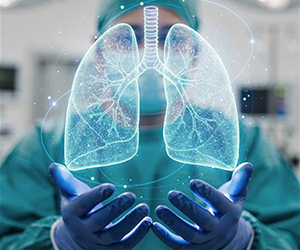
 A surgical procedure to replace one or both diseased lungs with healthy donor lungs. Considered for patients with end-stage lung disease who have not responded to other medical or surgical treatments.
 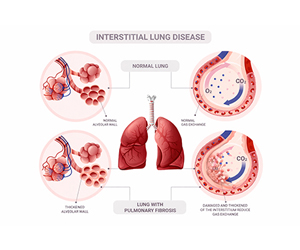 A group of disorders involving progressive scarring of lung tissue that affects the interstitium supporting the lungs’ air sacs. ILD causes breathing difficulty and reduced oxygen supply, requiring specialist management.
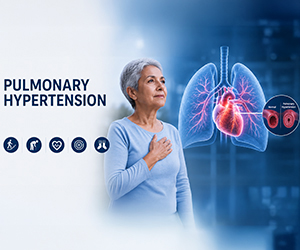 A condition involving abnormally high blood pressure in the lung arteries. It forces the right side of the heart to work harder, causing shortness of breath, fatigue, and chest pain that requires targeted treatment.
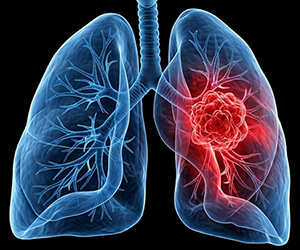 Diagnosis and management of both non-small cell and small cell lung cancer. Detected through imaging and biopsy, treatment options are guided by staging and include bronchoscopic interventions and ablation techniques.
 Advanced biologic therapy for Patients with severe Asthma and selected COPD cases who continue to have symptoms despite regular inhalers and standard treatment.
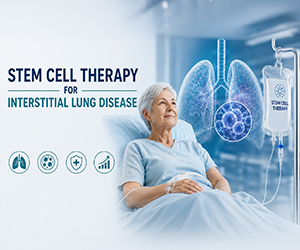 Advanced regenerative treatment approaches for selected patients with interstitial lung disease focusing on improving lung health, slowing disease progression and enhancing quality of life.
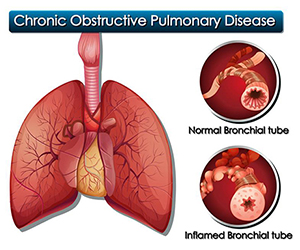 Chronic Obstructive Pulmonary Disease is a progressive condition causing persistent airflow limitation. It includes emphysema and chronic bronchitis. Early detection and ongoing management are key to slowing progression.
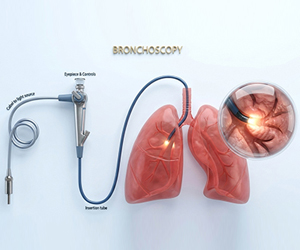 A minimally invasive procedure to examine airways, collect tissue samples, remove foreign bodies, and treat airway obstruction. Rigid bronchoscopy allows for larger instrument access and more complex interventional work.
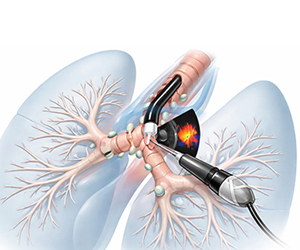 Endobronchial Ultrasound is an advanced bronchoscopic technique for detailed imaging and tissue biopsy of structures near the lungs. Both linear and radial types are performed under sedation by an interventional pulmonologist.
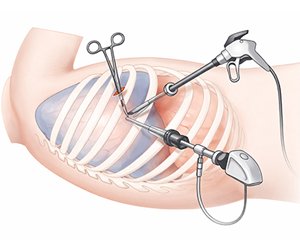 Management of pleural effusion, infections, and inflammation. Rigid thoracoscopy allows direct examination and treatment of the pleural space through a small chest wall incision, aiding accurate diagnosis and drainage.
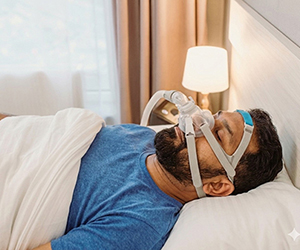 Comprehensive diagnosis and treatment of obstructive and central sleep apnea through polysomnography. Includes CPAP and BiPAP therapy to restore normal breathing patterns and improve sleep quality.
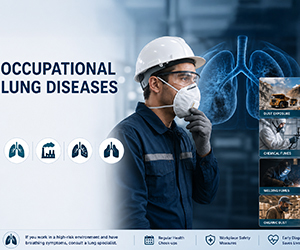 Diagnosis and management of respiratory conditions caused by prolonged workplace exposure to dust, chemicals, and fumes. Includes conditions such as silicosis, asbestosis, and occupational asthma.
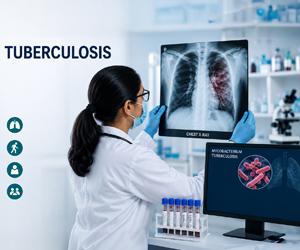 Specialist management of pulmonary TB caused by Mycobacterium tuberculosis. Treatment involves a structured antibiotic regimen with close monitoring to ensure full recovery and prevent drug resistance.
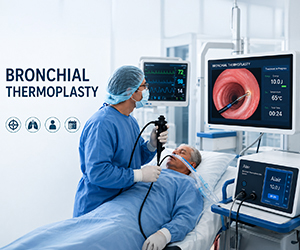 An innovative bronchoscopic procedure for severe asthma that uses controlled thermal energy to reduce the excess smooth muscle lining the airways, improving asthma control and reducing the frequency of attacks.
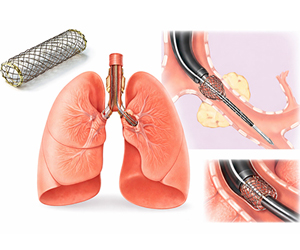 Surgical and endoscopic treatment for narrowing of the trachea (windpipe), including balloon dilatation and stent placement to restore airflow. Used for stenosis caused by tumours, trauma, or inflammatory conditions.
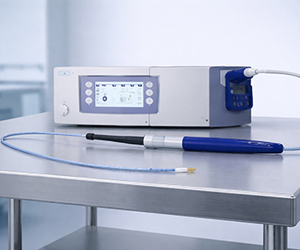 A minimally invasive procedure using extreme cold to obtain lung tissue samples for diagnosing interstitial lung disease, lung infections, and malignancies, offering larger and higher quality samples than forceps biopsy.
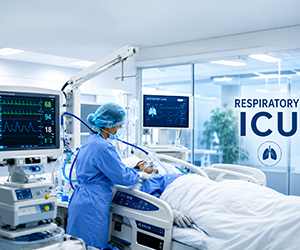 Intensive care for patients with severe acute respiratory failure, including non-invasive ventilation (NIV), mechanical ventilation management, and multidisciplinary critical care support for complex pulmonary emergencies.
Meet our specialist in pulmonology and respiratory medicine at AB Plus Multispeciality Hospital.

Dr. Rushi Desai
Lung Transplant , Pulmonary Hypertension and ILD Specialist
MBBS | MD (Respiratory Medicine)
DM (Pulmonary Medicine)