
 The endocrine system includes various glands, such as the thyroid, pituitary, adrenal, and pancreas, which produce hormones that control a wide range of bodily functions, including metabolism, growth, and reproduction. Our expert endocrinologists diagnose and treat disorders related to hormonal imbalances, such as diabetes, thyroid diseases, and osteoporosis. They use a variety of diagnostic tools, including blood tests and imaging, to assess hormone levels and gland function, and they develop individualized treatment plans.
  Diabetes mellitus is a chronic metabolic condition characterised by elevated blood glucose levels due to impaired insulin production or action. It includes Type 1, Type 2, and gestational diabetes. Long-term uncontrolled diabetes can affect the heart, kidneys, eyes, and nerves. Early diagnosis, lifestyle modification, glucose monitoring, and individualised medical therapy are essential. Comprehensive care focuses on preventing complications, optimising metabolic control, and improving quality of life through patient education and regular follow-up.
  Obesity is a complex metabolic disorder resulting from an imbalance between calorie intake and energy expenditure, influenced by genetic, hormonal, and environmental factors. It significantly increases the risk of diabetes, cardiovascular disease, joint problems, and hormonal disturbances. Effective management requires a personalised approach that includes nutritional counselling, physical activity, behavioural modification, and medical treatment when appropriate. Long-term success depends on sustainable lifestyle changes and continuous medical support.
  Polycystic Ovary Syndrome (PCOS), also known as Polycystic Ovarian Disease (PCOD), is a common hormonal disorder affecting women of reproductive age. It is characterised by irregular menstrual cycles, excess androgen levels, insulin resistance, and polycystic ovaries. Symptoms may include weight gain, acne, excessive hair growth, and fertility issues. Management focuses on hormonal regulation, metabolic control, lifestyle modification, and fertility support when required.
  Thyroid and parathyroid disorders affect metabolism, calcium balance, and overall energy levels. Conditions such as hypothyroidism, hyperthyroidism, thyroid nodules, and parathyroid disease can cause fatigue, weight changes, bone loss, and cardiovascular complications. Accurate diagnosis through blood tests and imaging is essential. Treatment may include medication, hormone replacement, or surgery. Early intervention helps restore hormonal balance and prevents long-term complications.
 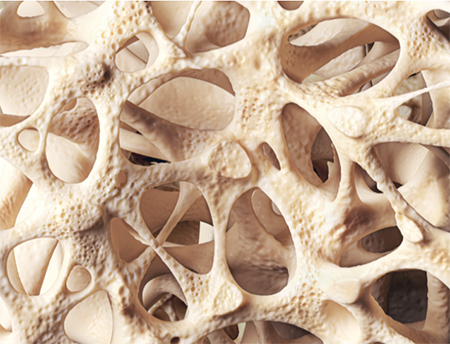 Osteoporosis and metabolic bone diseases result in reduced bone density and increased fracture risk. They are often related to hormonal imbalances, ageing, vitamin D deficiency, or chronic medical conditions. These disorders may remain silent until a fracture occurs. Early detection through bone density testing and biochemical evaluation is crucial. Management includes calcium and vitamin D optimisation, lifestyle modification, and targeted medical therapies to strengthen bones and reduce fracture risk.
 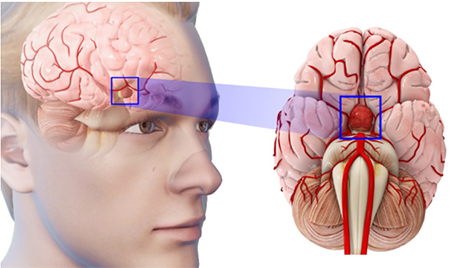 The pituitary gland regulates multiple hormones controlling growth, metabolism, reproduction, and stress response. Pituitary disorders and tumours can lead to hormone excess or deficiency, causing symptoms such as headaches, vision problems, fatigue, infertility, and growth abnormalities. Diagnosis involves hormonal testing and imaging studies. Treatment may include medication, surgery, or radiotherapy, depending on the condition. Multidisciplinary care ensures optimal hormonal balance and long-term outcomes.
  Thyroid cancer arises from abnormal growth of thyroid cells and is often detected as a thyroid nodule or neck swelling. Most types grow slowly and are highly treatable when diagnosed early. Evaluation includes ultrasound imaging, biopsy, and laboratory testing. Treatment typically involves surgery, with or without radioactive iodine therapy. Lifelong follow-up is important to monitor hormone levels and detect recurrence, ensuring excellent long-term prognosis.
  Paediatric endocrinology disorders affect growth, puberty, metabolism, and hormonal development in children and adolescents. Conditions may include growth hormone deficiency, early or delayed puberty, diabetes, and thyroid disorders. Early recognition is essential to prevent long-term physical and developmental complications. Diagnosis involves specialised hormonal testing and growth assessment. Treatment is tailored to the child’s age and needs, focusing on healthy development and overall well-being.
 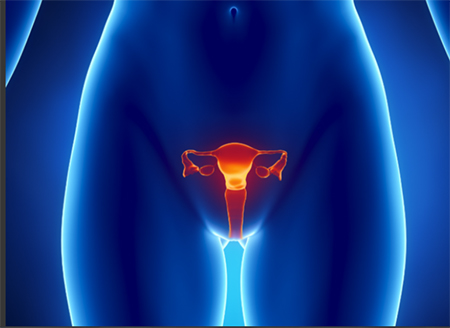 Reproductive and sexual hormone disorders affect fertility, sexual development, and overall hormonal balance in both men and women. These conditions may involve oestrogen, progesterone, testosterone, or gonadotropin abnormalities. Symptoms can include menstrual irregularities, infertility, reduced libido, erectile dysfunction, and mood changes. Management includes detailed hormonal evaluation, lifestyle guidance, and targeted medical therapy to restore balance, improve reproductive health, and enhance quality of life.
 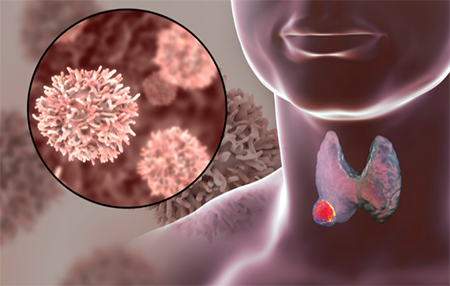 Endocrine tumours arise from hormone-producing glands and may cause hormone excess or deficiency. Multiple Endocrine Neoplasia (MEN) syndromes are inherited conditions involving tumours in multiple endocrine organs. Early diagnosis through genetic testing, hormonal evaluation, and imaging is crucial. Management often requires a multidisciplinary approach, including medical therapy, surgery, and long-term surveillance, to control hormone levels, reduce complications, and improve patient outcomes.