
Plastic and Cosmetic Surgery
PROCEDURES
Aesthetic Plastic / Cosmetic Surgery
Aesthetic Plastic Surgeries:
These procedures are primarily focused on enhancing appearance and aesthetic outcomes:
Breast and Body Contouring Surgeries
Breast and body contouring surgeries are designed to reshape and enhance body areas such as the breasts, abdomen, arms, and thighs. These procedures involve removing excess skin, tightening tissues, and sometimes removing or redistributing fat. Common surgeries include breast lifts, breast enhancement, tummy tucks, Mommy Makeover, Brazilian Butt Lift, thigh lifts, and arm lifts. Ideal for individuals who have experienced significant weight loss or natural changes due to aging or pregnancy, these surgeries aim to restore a more balanced, youthful body contour.
Facial Cosmetic Surgery
Facial cosmetic surgery focuses on enhancing facial features and addressing the effects of aging, sun exposure, or genetics. Procedures include facelifts, rhinoplasty (nose reshaping), blepharoplasty (eyelid surgery), and neck lifts. These surgeries are tailored to meet individual goals, such as reducing wrinkles, enhancing facial harmony, or reshaping specific areas like the nose or chin. The objective is to rejuvenate the face, helping patients achieve a natural, refreshed look that enhances their confidence.
Post Massive Weight Loss – Body Contouring
Post massive weight loss body contouring targets excess skin and sagging tissues that remain after significant weight loss, whether achieved through surgery or lifestyle changes. Common procedures include arm lifts, body lifts, and thigh lifts. These surgeries remove excess skin and reshape underlying tissues to create smoother body contours. By addressing the physical changes associated with weight loss, patients can achieve a more defined appearance, improved mobility, and enhanced comfort.
Gynaecomastia / Male Boobs
Gynaecomastia surgery treats enlarged male breasts, often caused by hormonal imbalances, weight fluctuations, or certain medications. This procedure removes excess breast tissue and fat to restore a flatter, more masculine chest. It can include liposuction, tissue removal, or glandular excision, depending on the patient’s needs. Gynaecomastia surgery provides both physical and psychological benefits, helping men feel more comfortable and confident in their bodies.
Non-Surgical Aesthetics
Non-surgical aesthetics includes a range of cosmetic treatments designed to enhance appearance without surgery. Popular options include Botox for wrinkle reduction, dermal fillers for restoring facial volume, and laser therapy for skin rejuvenation. These treatments offer quick results with minimal downtime, making them ideal for individuals seeking subtle, natural-looking enhancements. Non-surgical aesthetics allows patients to address specific concerns and maintain a youthful appearance with little to no recovery time.
Liposuction & Liposculpture
Liposuction is a cosmetic procedure that removes stubborn fat deposits from specific body areas, such as the abdomen, thighs, or arms. Using a suction technique, it contours and reshapes these areas, resulting in a slimmer, more proportionate appearance. Ideal for patients close to their target weight but struggling with localized fat, liposuction is not a weight-loss solution but a body contouring procedure for enhancing overall shape. Sometimes the removed fat will be reintroduced into certain depressed areas to enhance that region (Fat Graft) also in Brazilian Butt Lift.
Abdominoplasty / Tummy Tuck
Abdominoplasty, or tummy tuck, involves removing excess skin and fat from the abdominal area and tightening the abdominal muscles. This procedure is popular among individuals who have lost significant weight or experienced pregnancy-related (Mommy Make Over) changes. The result is a flatter, firmer abdomen and improved core strength. Abdominoplasty can boost confidence and comfort, especially for those who find excess skin in this area to be both an aesthetic and functional concern.
Extended Abdominoplasty (Abdominoplasty + Liposuction + Dermolipectomy of Flanks)
Extended abdominoplasty is a comprehensive body-contouring procedure that combines traditional abdominoplasty with liposuction and abdominal wall tightening. This approach not only removes excess skin and fat from the midsection but also sculpts the flanks and tightens underlying muscles for a smoother, more toned appearance. Ideal for patients with significant skin laxity after weight loss or pregnancy, it enhances body contours and improves core firmness. Recovery involves careful post-operative care, with results becoming more defined over several months.
Abdominoplasty + Belt Lipectomy / 360° Waistline Correction
A belt lipectomy or 360° waistline correction, is an advanced body-contouring procedure that combines abdominoplasty with a belt lipectomy to address excess skin and fat around the entire midsection. Unlike traditional tummy tucks, this procedure targets the abdomen, flanks, and lower back, creating a smoother, more sculpted waistline. It also tightens underlying muscles for improved core support. Ideal for patients after massive weight loss, a belt lift delivers dramatic, harmonious results, restoring confidence and enhancing overall body proportions.
Rhinoplasty / Nose Job (Open & Closed)
Rhinoplasty, commonly known as nose reshaping surgery, alters the shape, size, or structure of the nose. This procedure may be performed for cosmetic reasons to achieve facial harmony or for functional improvements, such as correcting breathing issues. Rhinoplasty is highly individualized, aiming to enhance appearance while preserving or improving nasal function, helping patients feel more confident and comfortable with their facial features.
Reconstructive Surgeries
These procedures aim to restore function or correct abnormalities resulting from injury, disease, or congenital defects.
Wound Management
Wound management is a specialized field focusing on the treatment of chronic or complex wounds, such as diabetic ulcers, pressure sores, and surgical wounds. Advanced wound care techniques may include debridement, skin grafting, specialized dressings, and infection control. The goal is to promote faster healing, reduce the risk of complications, and improve overall outcomes. Effective wound management helps patients maintain mobility, avoid serious infections, and enhance quality of life, especially in cases of slow-healing wounds.
Post Burn Contractures
Post-burn contractures occur when skin and soft tissues tighten after a burn injury, limiting movement and causing discomfort. Surgical treatment involves releasing tight scars, repositioning tissue, and restoring functionality. Techniques may include skin grafts, flap surgeries, and tissue expansion. This specialized reconstructive procedure helps patients regain mobility, reduce pain, and improve the aesthetic appearance of the affected area, allowing burn survivors to lead a more functional and comfortable life.
Scar Management
Scar management aims to reduce the appearance and improve the texture of scars resulting from injuries, surgeries, or burns. Treatments range from topical creams to more advanced options, such as laser therapy, steroid injections, and surgical revision. Scar management not only addresses cosmetic concerns but can also reduce discomfort and tightness associated with scar tissue, providing both physical and psychological benefits for patients seeking smoother, less noticeable scars.
Management of Skin Cancers and Soft Tissue Lesions
The management of skin cancers and soft tissue lesions involves diagnosing and treating abnormal skin growths, including benign lesions, basal cell carcinoma, and melanoma. Treatment options include surgical excision, Mohs surgery, and sometimes topical therapies. The goal is to remove cancerous or problematic tissues effectively while preserving healthy skin. Early diagnosis and treatment are crucial for minimizing the risk of cancer spread and achieving optimal cosmetic results, helping patients maintain both health and appearance.
Hand Trauma and Nerve Palsies
Hand trauma and nerve palsies are treated through specialized procedures that address injuries and nerve damage in the hand, wrist, and forearm. Common causes include accidents, repetitive strain, and conditions like carpal tunnel syndrome. Treatment may involve nerve decompression, tendon repair, or rehabilitation therapy. These interventions aim to restore hand functionality, reduce pain, and improve overall mobility, helping patients regain use of their hands and return to daily activities.
Congenital Hand Deformities
Congenital hand deformities, such as syndactyly (webbed fingers) and polydactyly (extra fingers), are birth conditions that can affect hand function and appearance. Surgical correction is often performed to separate fingers, reshape structures, or remove extra digits, improving functionality and enabling better movement. Early intervention is recommended for best results, allowing children to develop improved motor skills and experience fewer limitations as they grow.
Trauma Reconstruction
Trauma reconstruction is a specialized area of surgery that addresses injuries from accidents or traumatic events, focusing on restoring both appearance and function. Procedures may include bone grafts, skin grafts, tissue flaps, or microsurgery to repair complex wounds. The goal is to help trauma survivors regain a sense of normalcy, improve mobility, and reduce discomfort, providing a path toward physical and emotional recovery after severe injuries.
Face:
Dimple Procedure
The dimple procedure is a minimally invasive cosmetic intervention performed to create cheek dimples that appear natural during facial expressions. It involves creating a controlled adhesion between the skin and underlying muscle through a small intraoral incision. The procedure is typically performed under local anesthesia and completed within a short duration. Downtime is minimal, and recovery is usually well tolerated. Dimple placement is planned based on facial anatomy to achieve proportionate and symmetrical results.
Fat Grafting
Fat grafting, also referred to as autologous fat transfer, involves harvesting fat from one part of the body and reinjecting it into another area to restore volume and contour. Common recipient sites include the face, breasts, and hands. As the patient’s own tissue is used, biocompatibility is high. The procedure allows for natural-looking volume restoration and may also improve skin quality. Outcomes depend on technique, graft survival, and individual healing response.
Brow Lift
A brow lift is a surgical procedure performed to elevate drooping eyebrows and reduce forehead creases associated with aging or tissue laxity. By repositioning underlying structures, the procedure improves brow symmetry and creates a more refreshed upper facial appearance. Depending on anatomical needs, minimally invasive or open techniques may be used. Surgical planning focuses on preserving natural expression while restoring balance. Results are long-lasting and contribute to improved overall facial harmony.
Nose Job (Rhinoplasty)
Rhinoplasty is a surgical procedure performed to reshape the nose for aesthetic enhancement or functional correction, including nasal airflow improvement. The procedure may address nasal size, shape, projection, symmetry, or structural abnormalities. Treatment planning is individualized based on facial proportions, nasal anatomy, and clinical requirements. Both open and closed approaches may be utilized. The objective is to achieve balanced facial harmony while maintaining or improving nasal function and long-term structural stability.
Eyelid Surgery (Blepharoplasty)
Blepharoplasty is a surgical procedure aimed at correcting excess skin, muscle, or fat in the upper and/or lower eyelids. It is commonly performed to address eyelid drooping, puffiness, and age-related changes around the eyes. In some cases, the procedure may also improve visual function impaired by excess skin. Surgical planning emphasizes symmetry and natural appearance. Results provide a more alert, refreshed look with long-term improvement in eyelid contour.
Ear Surgery (Otoplasty)
Otoplasty is a corrective surgical procedure performed to reshape or reposition prominent or asymmetrical ears. It is commonly undertaken in both pediatric and adult patients to improve ear alignment and facial balance. The procedure involves modifying cartilage structure to achieve a more natural ear position. Incisions are typically placed discreetly to minimize visible scarring. Outcomes are permanent, with the goal of improved symmetry, proportion, and patient confidence following recovery.
Anti-Aging Treatments
Anti-aging treatments are designed to address visible signs of aging such as wrinkles, fine lines, volume loss, and skin laxity. Modalities may include injectables, energy-based therapies, and skin rejuvenation procedures. Treatment plans are customized based on skin type, age-related changes, and individual concerns. The focus is on gradual, natural improvement rather than overcorrection. These interventions aim to enhance skin quality, restore facial balance, and maintain a refreshed appearance.
Thread Lift
A thread lift is a minimally invasive procedure used to lift and support sagging facial tissues using absorbable sutures. The threads provide immediate mechanical lifting while also stimulating collagen production over time. Commonly treated areas include the cheeks, jawline, and neck. The procedure is performed under local anesthesia and involves minimal downtime. Results are subtle and progressive, making the treatment suitable for mild to moderate skin laxity.
Face Implants
Face implants are surgically placed devices used to enhance facial contours by adding structure and volume to areas such as the chin, cheeks, or jawline. The procedure improves facial definition and proportional balance. Implants are selected based on individual anatomy and aesthetic objectives. Surgical placement is planned to ensure stability and symmetry. Results are long-lasting and aim to create a more harmonized and sculpted facial appearance while preserving natural facial movement.
Face Lift
A face lift is a surgical procedure designed to address sagging facial tissues, deep wrinkles, and loss of definition associated with aging. The procedure involves repositioning underlying structures and removing excess skin to restore a more youthful facial contour. Treatment is individualized and may include the neck area for comprehensive rejuvenation. The goal is natural-looking improvement rather than excessive tightening. Results are durable and enhance facial balance and definition.
Botox Injection
Botox injections are a non-surgical treatment used to reduce dynamic facial wrinkles caused by repetitive muscle activity. The treatment works by temporarily relaxing targeted muscles, softening lines on the forehead, between the eyebrows, and around the eyes. Procedures are quick and performed on an outpatient basis. Results develop gradually and typically last several months. Botox is widely used to achieve a refreshed appearance while preserving natural facial expressions.
Filler Injection
Filler injections are used to restore facial volume, enhance contours, and correct age-related volume loss using injectable gel-based materials. Common treatment areas include the cheeks, lips, jawline, and under-eye region. The procedure provides immediate results with minimal downtime. Fillers are temporary and gradually absorbed by the body over time. Treatment planning emphasizes facial symmetry, proportion, and natural outcomes, with results dependent on product selection and injection technique.
Chemical Peel
A chemical peel is a skin resurfacing treatment that improves texture and tone by exfoliating damaged outer layers of skin. It is commonly used to address pigmentation, acne scars, fine lines, and uneven complexion. Peels vary in strength and are selected based on skin type and clinical indication. The treatment promotes cell renewal and collagen stimulation. With appropriate aftercare, results include smoother, clearer, and more evenly toned skin.
Laser Skin Treatment
Laser skin treatment utilizes focused light energy to treat conditions such as pigmentation, scars, fine lines, and uneven skin texture. The procedure works by stimulating collagen production and promoting controlled skin renewal. Treatment parameters are customized according to skin type and concern. Laser therapy allows precise targeting with minimal damage to surrounding tissue. Recovery time varies depending on treatment intensity, with outcomes including improved skin tone, texture, and overall clarity.
RF Skin Tightening
RF skin tightening is a non-surgical treatment that uses radiofrequency energy to heat deeper skin layers and stimulate collagen production. It is commonly used to improve mild to moderate skin laxity and texture. The procedure is comfortable, safe, and requires no downtime. Results develop gradually over multiple sessions as collagen remodeling occurs. RF therapy helps achieve firmer, smoother skin and is often used as a preventive or maintenance anti-aging treatment.
Lip Fillers / Lip Reduction
Lip enhancement or reduction procedures are performed to improve lip proportion, symmetry, and overall facial balance. Lip fillers increase volume and definition, while lip reduction addresses excess tissue when required. Treatment planning is individualized based on facial anatomy, functional considerations, and patient goals. The emphasis is on maintaining natural shape, mobility, and harmony with surrounding features. Procedures are performed with careful technique to achieve predictable, balanced, and aesthetically appropriate outcomes.
Breast
Breast Augmentation
Breast augmentation is a surgical procedure performed to enhance breast volume, contour, and symmetry using implants or alternative reconstructive techniques. The procedure is planned following detailed clinical assessment, including body proportions, tissue characteristics, and patient expectations. Implant selection and placement are individualized to achieve proportionate, natural-appearing results. The primary objectives include improved breast shape, structural balance, and patient satisfaction while adhering to established surgical safety standards and postoperative care protocols.
Breast Reduction
Breast reduction surgery is undertaken to remove excess breast tissue, fat, and skin to achieve a size more proportionate to the individual’s body. The procedure is commonly indicated to relieve physical symptoms such as neck pain, shoulder strain, back discomfort, and postural issues. Surgical planning prioritizes functional improvement while maintaining appropriate breast shape and symmetry. Careful technique and postoperative management are essential to support healing, comfort, and long-term outcomes.
Breast Lift
A breast lift is a surgical procedure designed to reposition and reshape breasts affected by sagging, volume redistribution, or loss of firmness. The procedure improves breast contour by elevating the nipple–areola complex and removing excess skin, without significantly altering overall breast volume. Surgical planning focuses on symmetry, anatomical positioning, and proportion. The objective is to restore a more youthful breast profile while maintaining structural integrity and adhering to safe surgical practices.
Gynecomastia Surgery
Gynecomastia surgery addresses excess breast tissue in males resulting from glandular enlargement, fatty deposits, or a combination of both. The procedure aims to create a flatter, firmer, and more contoured chest appearance. Surgical techniques may include liposuction, direct excision, or combined approaches based on clinical evaluation. Treatment planning emphasizes functional improvement, aesthetic balance, and patient safety, with postoperative care focused on recovery, contour stabilization, and long-term results.
Breast Cancer Reconstruction
Breast cancer reconstruction is performed following mastectomy or breast-conserving surgery to restore breast form and symmetry. Reconstruction options may include implant-based methods, autologous tissue transfer, or combined approaches, depending on medical suitability. The procedure is planned in coordination with oncologic care to ensure safety and continuity of treatment. The primary goals include physical restoration, functional comfort, and psychological well-being while following established clinical and surgical guidelines.
Breast Deformity Correction
Breast deformity correction addresses congenital, developmental, or acquired abnormalities affecting breast shape, size, or symmetry. Conditions may include asymmetry, tubular breast deformity, or structural irregularities. Treatment plans are individualized following comprehensive clinical evaluation to restore balance, proportion, and functional comfort. Surgical approaches may involve reshaping, volume adjustment, or reconstructive techniques. The objective is to achieve anatomical harmony while ensuring patient safety and predictable, stable outcomes.
Mommy Makeover
A mommy makeover refers to a combination of surgical procedures designed to address physical changes following pregnancy, childbirth, and breastfeeding. Treatments are tailored based on individual clinical assessment and may focus on restoring body contours, tissue integrity, and comfort. Procedures are planned in a staged or combined manner with emphasis on patient safety, recovery capacity, and realistic outcomes. The approach prioritizes anatomical balance, functional improvement, and comprehensive postoperative care.
Body Fillers (Breast / Buttocks / Hips)
Body fillers are used to enhance volume and contour in specific anatomical areas such as the breasts, buttocks, or hips. Treatments involve careful product selection and precise technique to improve shape while maintaining natural proportions. Suitability is determined through detailed clinical evaluation, considering tissue characteristics and safety parameters. Outcomes depend on individual anatomy, procedural accuracy, and adherence to post-treatment protocols to support stability and patient safety.
Body
Tummy Tuck / Extended Abdominoplasty / 360° Waistline Correction
Abdominoplasty procedures are performed to address excess abdominal skin, localized fat deposits, and weakened abdominal musculature. Depending on individual anatomy and clinical indication, treatment may include a standard tummy tuck, extended abdominoplasty, or 360-degree waistline correction. These procedures aim to improve abdominal contour, restore muscle support, and enhance trunk proportion, particularly following pregnancy or significant weight changes. Surgical planning is individualized to ensure anatomical safety and balanced outcomes.
Plastic Surgery
Plastic surgery includes reconstructive and aesthetic procedures performed to restore form, function, or appearance of various body regions. Treatments may address congenital conditions, trauma-related deformities, post-surgical reconstruction, or cosmetic concerns. Each procedure is planned based on detailed clinical evaluation, anatomical considerations, and patient-specific goals. Emphasis is placed on safety, precision, and adherence to established surgical standards to achieve proportionate and medically appropriate results.
BBL – Brazilian Butt Lift
Brazilian Butt Lift is a body contouring procedure that enhances buttock shape using autologous fat transfer. Fat is harvested from selected areas, processed, and reinjected in a controlled manner to improve contour and projection. The procedure also contributes to contouring of donor sites. Patient selection, fat handling, and injection techniques are carefully planned to ensure procedural safety, anatomical balance, and predictable outcomes.
Liposuction
Liposuction is a surgical technique used to remove localized fat deposits resistant to diet and exercise. Common treatment areas include the abdomen, flanks, thighs, arms, and neck. The procedure is intended for body contour refinement rather than weight reduction. Outcomes depend on skin quality, fat distribution, and overall health status. A thorough evaluation is required to determine suitability and expected results.
Liposculpting / Fat Grafting
With this surgical technique the harmony of the body with proper curved contours are redesigned as per the desire to appear perfect on a picture especially while wearing a body hugging attire.
Slimming Procedures
Slimming procedures include non-surgical and minimally invasive treatments aimed at reducing localized fat accumulation and improving body contours. These modalities may support fat reduction, metabolic activity, or skin tightening. Treatment selection is based on clinical assessment, body composition, and individual goals. Results are gradual and vary among individuals, with optimal outcomes supported by lifestyle modification and medical supervision.
Scar Treatment
Scar treatment involves medical and procedural approaches to improve the appearance, texture, and flexibility of scars resulting from surgery, trauma, burns, or acne. Management options vary depending on scar type, maturity, and location. The objective is to minimize scar visibility, improve skin quality, and alleviate associated discomfort. Treatment plans are individualized following clinical evaluation and may require staged interventions.
Ozempic / Mounjaro
Ozempic and Mounjaro are prescription medications used as part of medically supervised weight management programs. These agents act on metabolic pathways to support appetite regulation and glycaemic control. Their use requires careful patient selection, monitoring, and adherence to clinical guidelines. These medications are not substitutes for lifestyle modification and are prescribed only after appropriate medical evaluation.
Body Lift
A body lift is a reconstructive procedure performed to remove excess, sagging skin following massive weight loss or bariatric surgery. It may involve one or multiple body regions, depending on skin laxity and patient needs. The procedure aims to improve contour, hygiene, mobility, and comfort. Surgical planning is individualized, with emphasis on safety, staged correction, and functional improvement.
Body Implants
Body implants are used to enhance contour and projection in specific anatomical areas such as calves, buttocks, or chest. Implant selection and placement are based on individual anatomy and aesthetic balance. The procedure requires precise surgical technique to ensure stability, symmetry, and compatibility with surrounding tissues. Comprehensive evaluation is essential to determine suitability and expected outcomes.
Body Contouring
Body contouring encompasses surgical and non-surgical procedures designed to reshape body outlines by addressing excess fat, loose skin, or contour irregularities. Treatments are selected based on anatomical assessment, skin quality, and clinical goals. Body contouring is not intended for weight loss but for proportion refinement. A personalized approach ensures safe and balanced results.
Fat Injection & Body Sculpting
Fat injection and body sculpting involve harvesting the patient’s own fat and transferring it to targeted areas to restore volume and improve contour. The technique allows simultaneous reduction in donor areas and enhancement of recipient sites. Careful processing and placement of fat are essential for graft survival and natural results. Outcomes depend on individual healing response and anatomical factors.
RF Skin Tightening
Radiofrequency skin tightening is a non-invasive treatment that delivers controlled energy to stimulate collagen remodeling in deeper skin layers. It is used to improve mild to moderate skin laxity and texture. The procedure is performed without incisions and requires minimal downtime. Results develop gradually and vary based on age, skin condition, and treatment protocol.
Vaginoplasty
Vaginoplasty is a surgical procedure performed to restore vaginal structure and tone. It may be indicated for functional concerns, post-childbirth changes, or reconstructive needs. The procedure is planned following detailed clinical assessment and is performed with attention to anatomical integrity, safety, and patient comfort. Outcomes vary based on individual anatomy and healing response.
Labial Correction
Labial correction is a surgical procedure addressing concerns related to labial size, symmetry, or discomfort. It may be performed for functional or reconstructive indications. Treatment is customized based on anatomical evaluation and patient needs. Emphasis is placed on preserving sensitivity, maintaining natural appearance, and ensuring procedural safety.
G-Spot Enhancement
G-spot enhancement is a non-surgical procedure involving targeted injection techniques intended to increase tissue prominence in a specific anatomical area. The procedure is performed under controlled conditions following patient evaluation. Its role is limited to selected cases, and outcomes may vary. Proper counselling and adherence to medical protocols are essential prior to treatment.
Our Team
Meet our team of renowned medical professionals at AB Plus multi-speciality hospital.

Dr. Mahendra Narwaria
A Very Renowned Bariatric, Gi, And Robotic Surgeon

Dr Shilpa Narwaria
Telemedicine And Bariatric Consultant
The Best Telemedicine And Bariatric Consultants In Our Hospital
Telemedicine And Bariatric Consultant

Dr. Sudhendu R. Patel
M.D. (Medicine) - Sr. Consultant Physician
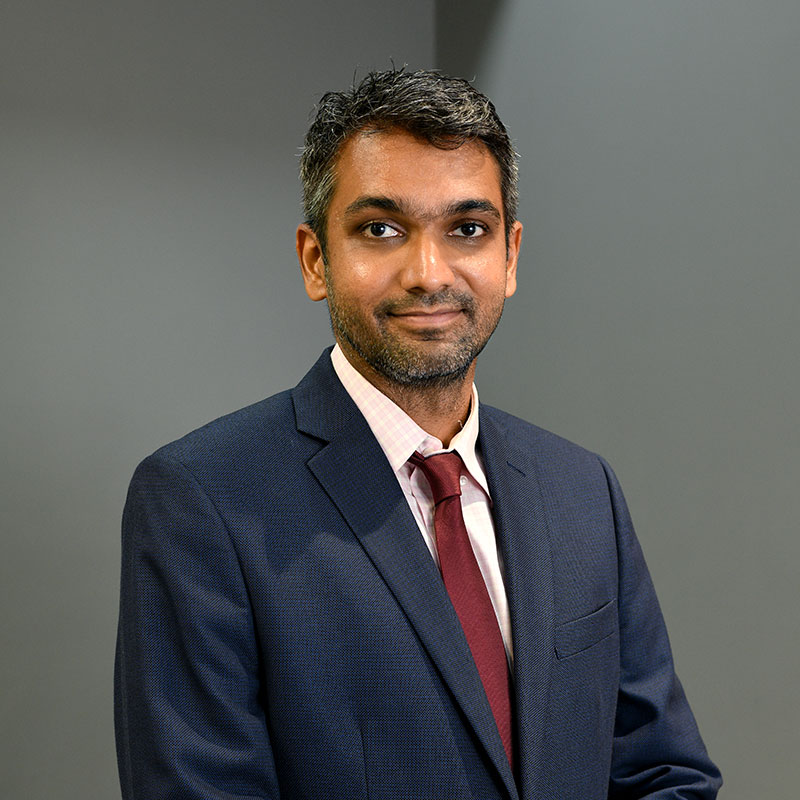
Dr. Parth Patel
MBBS, MD, FNB Critical Care Medicine
The Youngest Gold Medalist Expert Who Can Help You With Your Most Critical Operations
MBBS, MD, FNB Critical Care Medicine
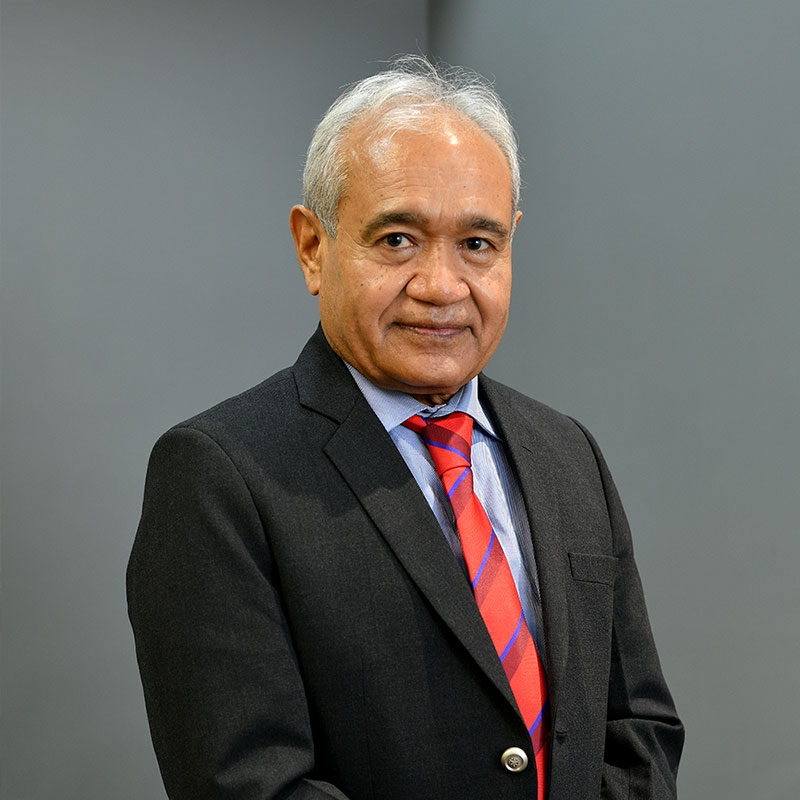
Dr. R.B. Patel
M.S ,F.I.C.S ,F.I.C.A – Sr. Consultant Surgeon

Dr. Hardik Padhiyar
MS (ORTHO)

Dr. Prathan Amin
Orthopaedic Spine Surgeon

Dr. Jignesh Ashwinbhai Gandhi
Expert in Robotic & Advanced Laparoscopic Surgery

Dr. Surapaneni S Rao
Aesthetic Plastic Surgeon
Dr. Surapaneni is an Aesthetic Plastic Surgeon. With more than 45 years of experience, Dr. Surapaneni S Rao is a senior and highly respected specialist.
Success Stories
FAQs
Plastic surgery has been less intrusive over the past several decades, making it a popular option among doctors worldwide. Plastic surgery may transform an average appearance into an amazing appearance and let the individual feel the difference within themselves.
Aside from boosting your looks and self-esteem, most individuals are unaware of the health advantages of plastic surgery. According to several studies, plastic surgery may improve your breathing, eyesight, neck and back discomfort, self-esteem, and self-confidence, and it can even raise your income.